
Ackee and saltfish anchors the island’s culinary identity, paired with rich, slow‑braised oxtail and the unmistakable fire of jerk chicken. Jamaican food is a full sensory experience built on smoke, spice, and rhythm.
Credit: Gabre Cameron /Unsplash

Credit:kendellkreations.com

Pepperpot simmered with cassareep, coconut‑rich cook‑up rice, and thick, earthy Guyanese curry define this unique food culture. Guyana’s flavors merge Indigenous, Indian, and South American traditions into something unmistakably its own.
Credit: NYT Cooking – NYTimes.com

Credit: A Bajan Tour Girl Exploring Barbados

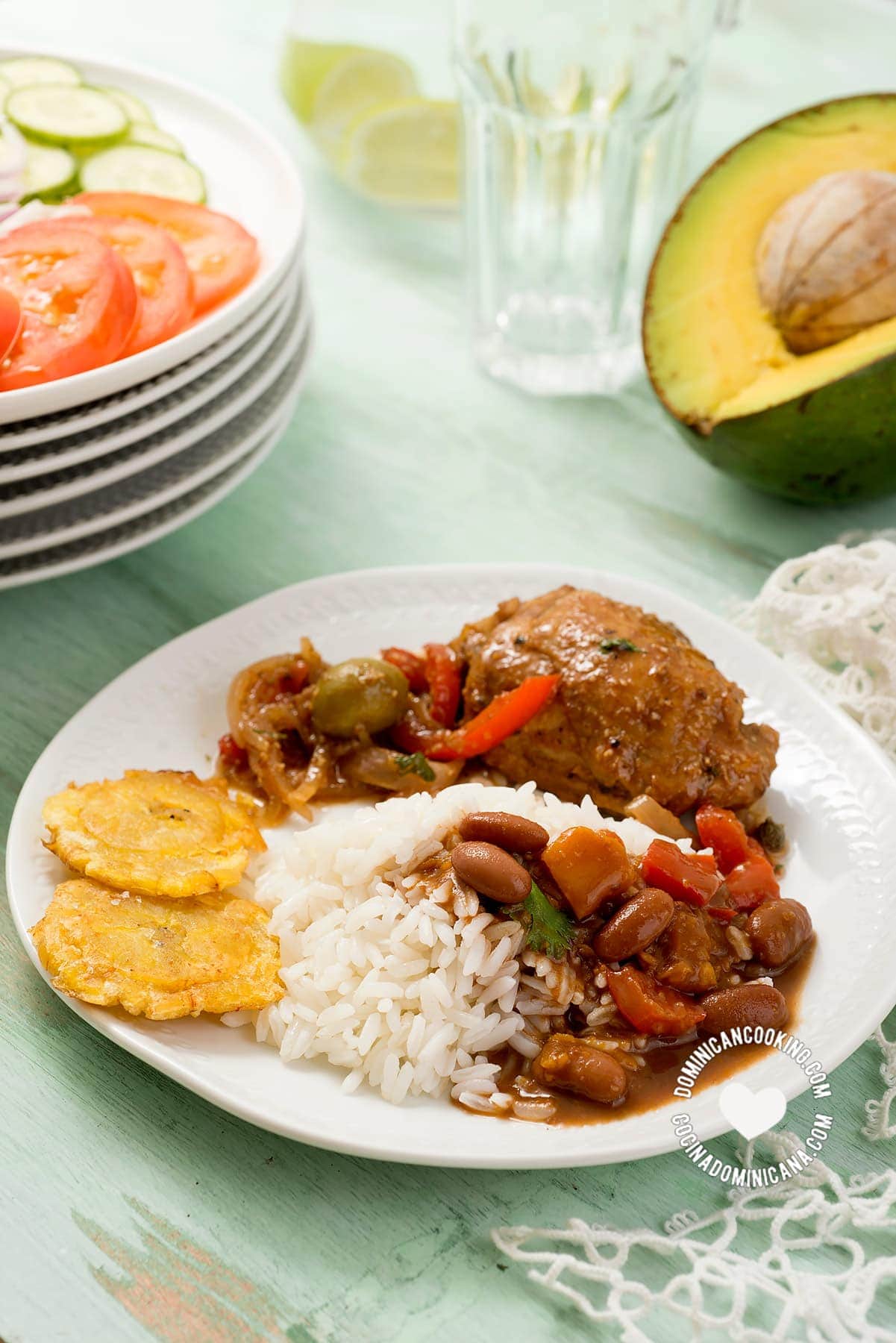
5. Dominican Republic — Hearty, Homey, and Full of Flavor – La Bandera Dominicana—rice, beans, stewed meat, and salad—is everyday comfort. Mangu with onions, cheese, and salami, plus rich seven‑meat sancocho, showcase the island’s love of soulful, filling dishes.
Credit: Dominican Cooking

Mofongo made from garlicky mashed plantains, slow‑roasted lechón with crispy skin, and arroz con gandules define Puerto Rican cuisine. The island’s food is bold, aromatic, and deeply satisfying.
Credit:The Spruce Eats

7. Oil down—the national dish of breadfruit, coconut milk, turmeric, and salted meats—captures Grenada’s love of hearty, aromatic cooking. Nutmeg‑dusted desserts, cocoa tea, and fresh seafood round out a cuisine built on warmth and spice. Credit:The Foreign Fork

Crispy griot with pikliz, symbolic soup joumou, and earthy diri djon djon showcase Haiti’s bold, vibrant culinary identity. Haitian food is rich with culture and unapologetic flavor. Credit: Great British Chefs

Fungee and pepperpot, grilled lobster, and saltfish with chop‑up define Antigua’s rustic, seafood‑forward cuisine. Freshness and simplicity are the heart of the island’s food culture. Credit:Eat Your World

Green fig and saltfish, hearty bouyon, and crispy accra reflect St. Lucia’s French Creole heritage. The island’s dishes balance comfort with bright, fresh island flavors. Credit: Epicure & Culture